
Last updated September 10, 2026
Full 25-point door and opener safety check with every visit - springs, cables, rollers, tracks, and your LiftMaster or Chamberlain opener included
You get a price before we start. It does not change when the truck arrives.

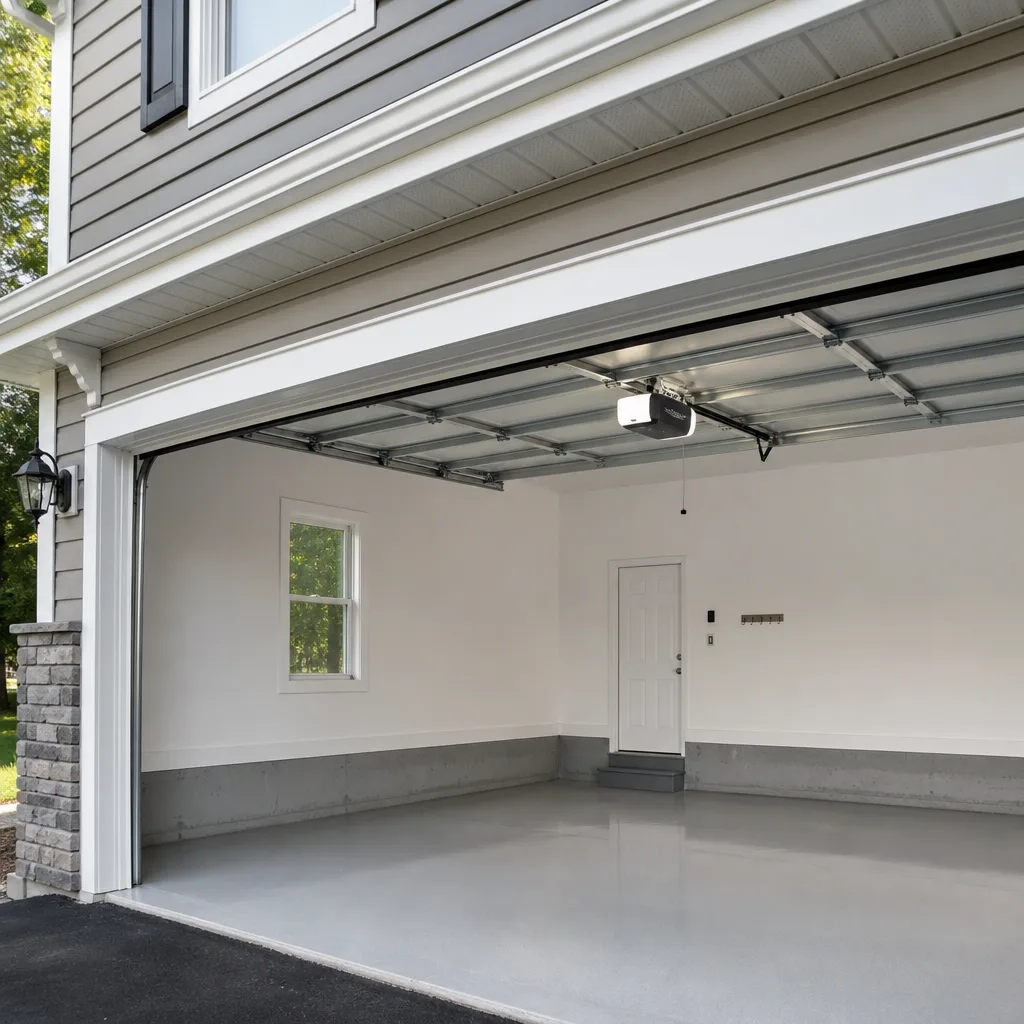
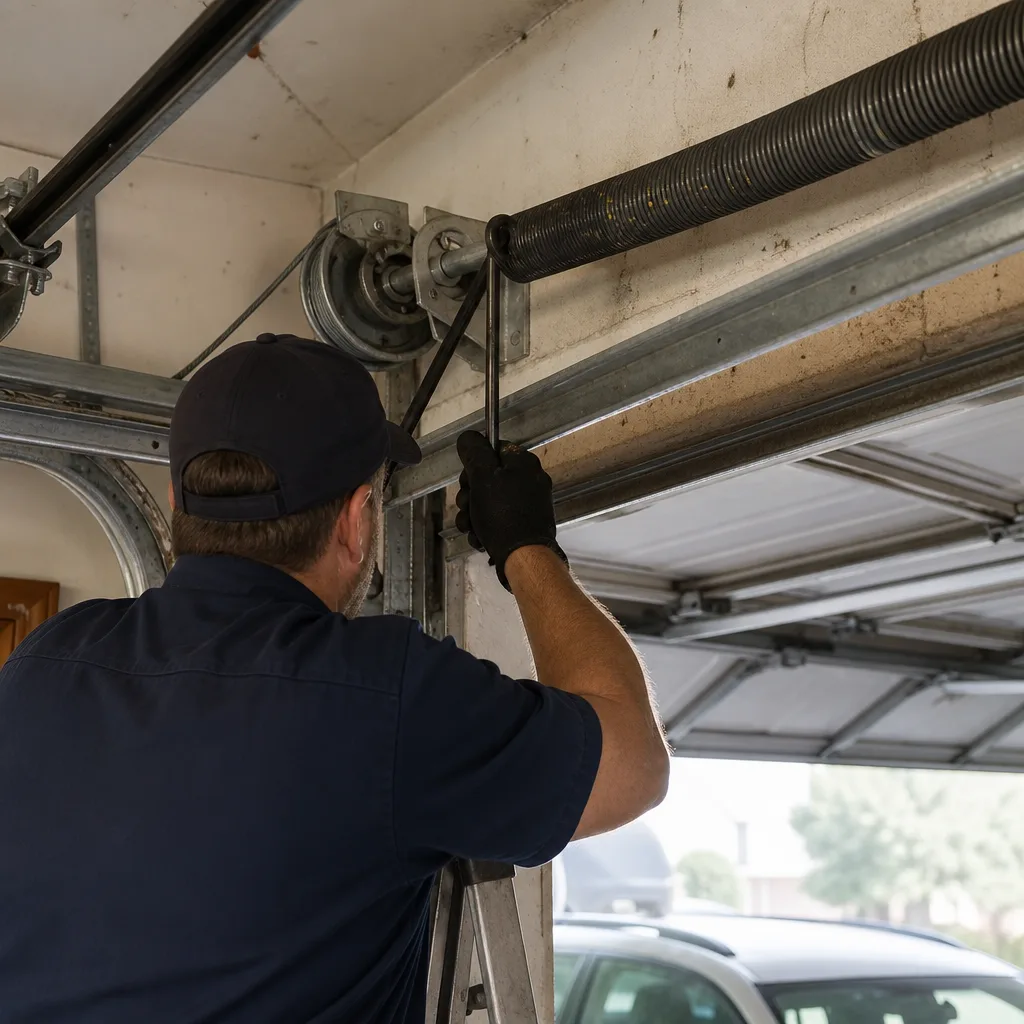 Before
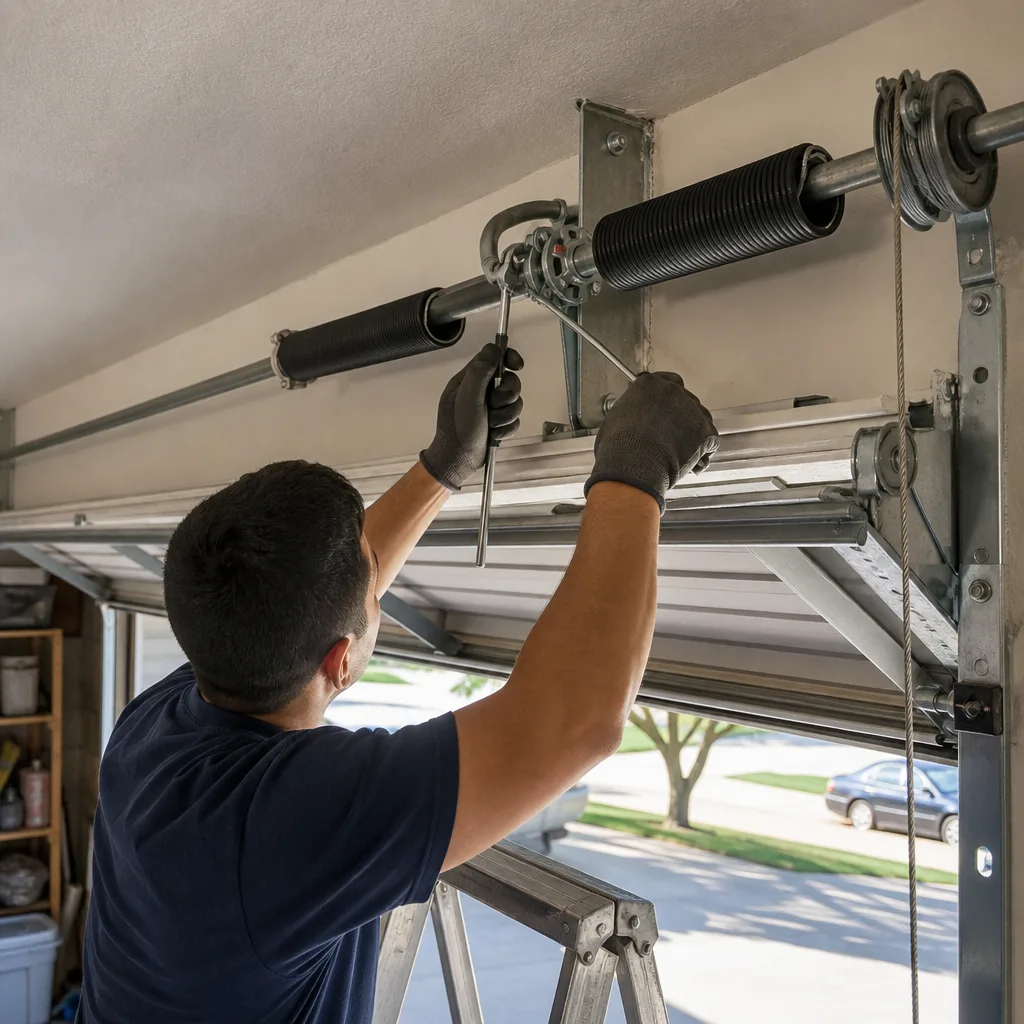 After
After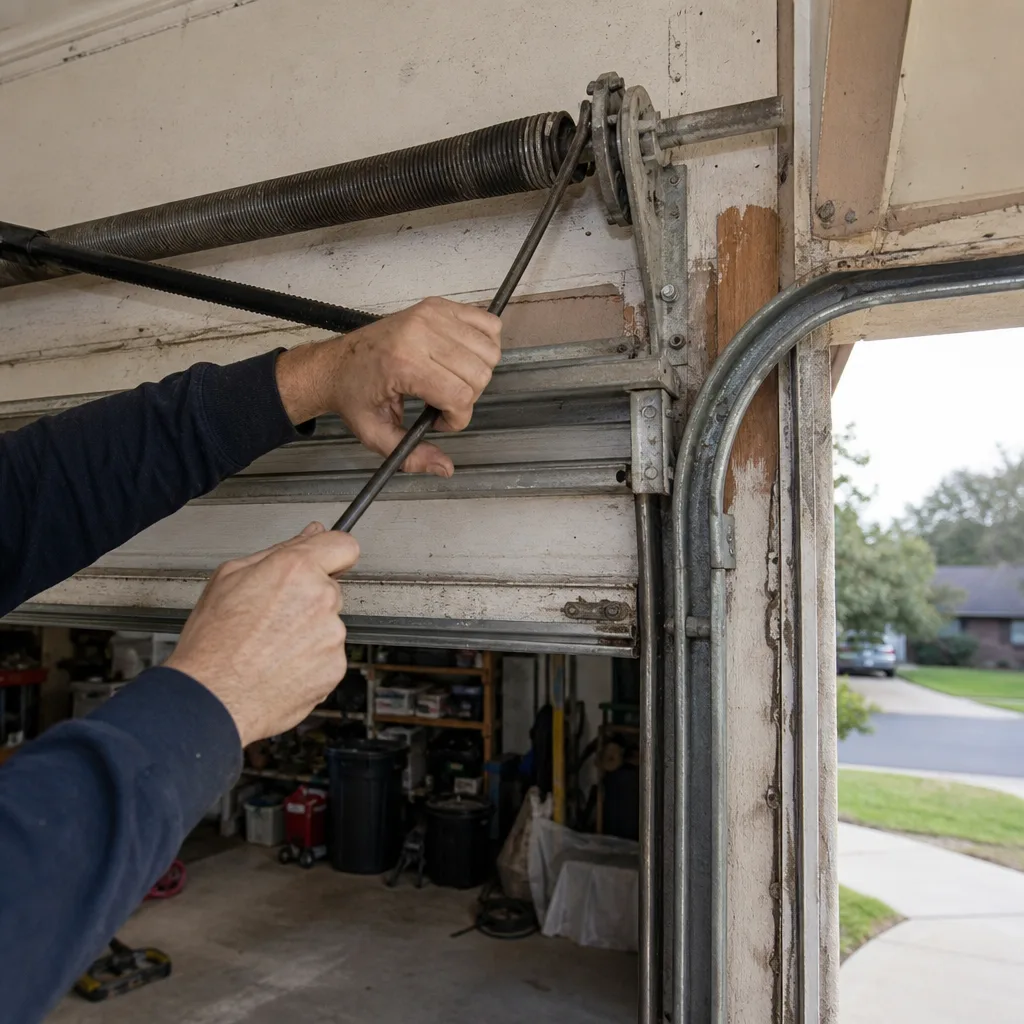 Before
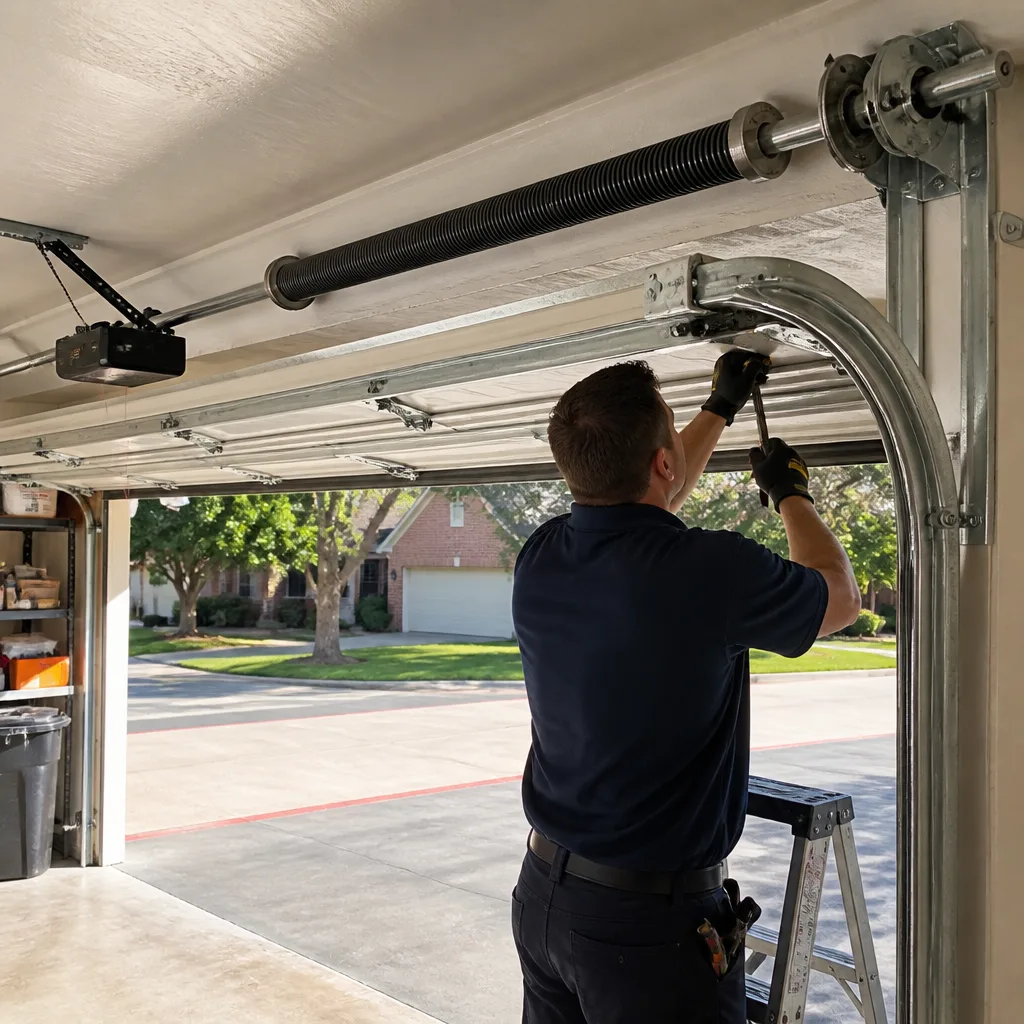 After
After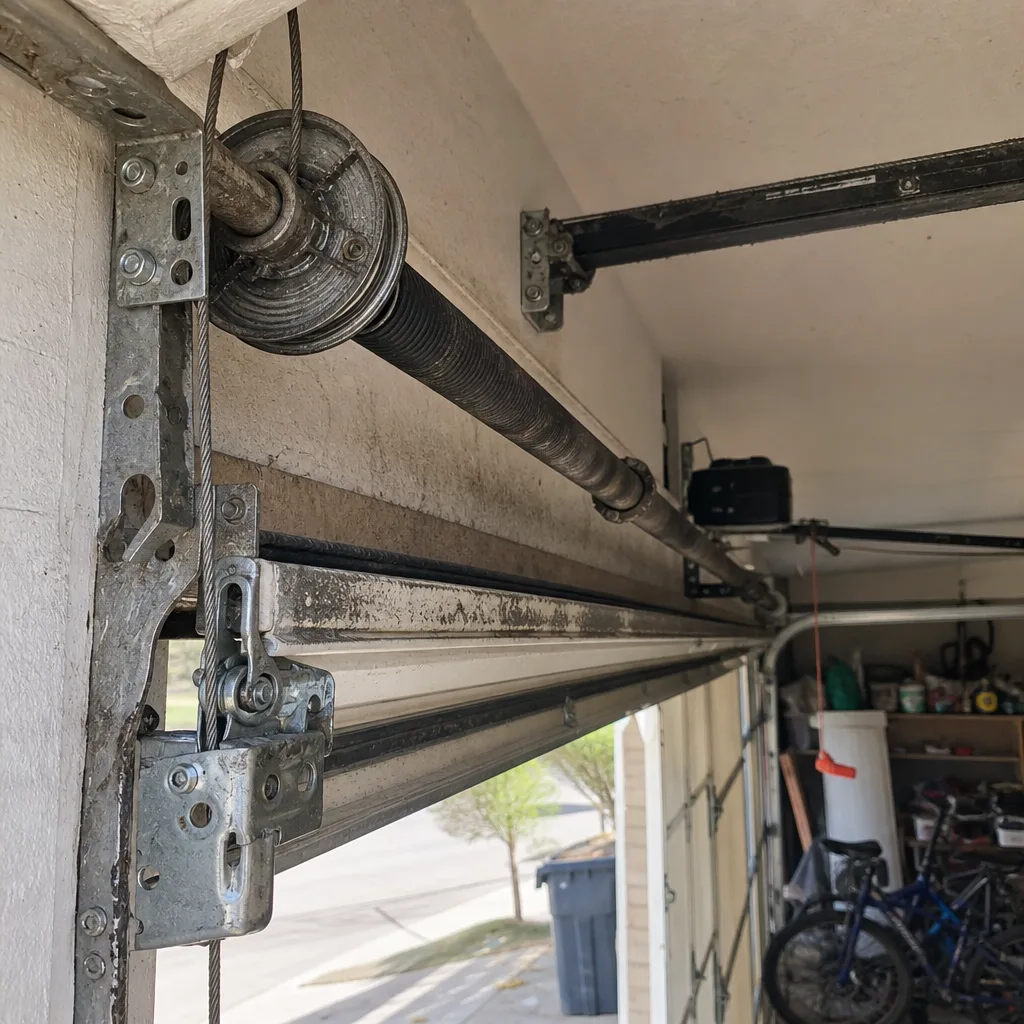 Before
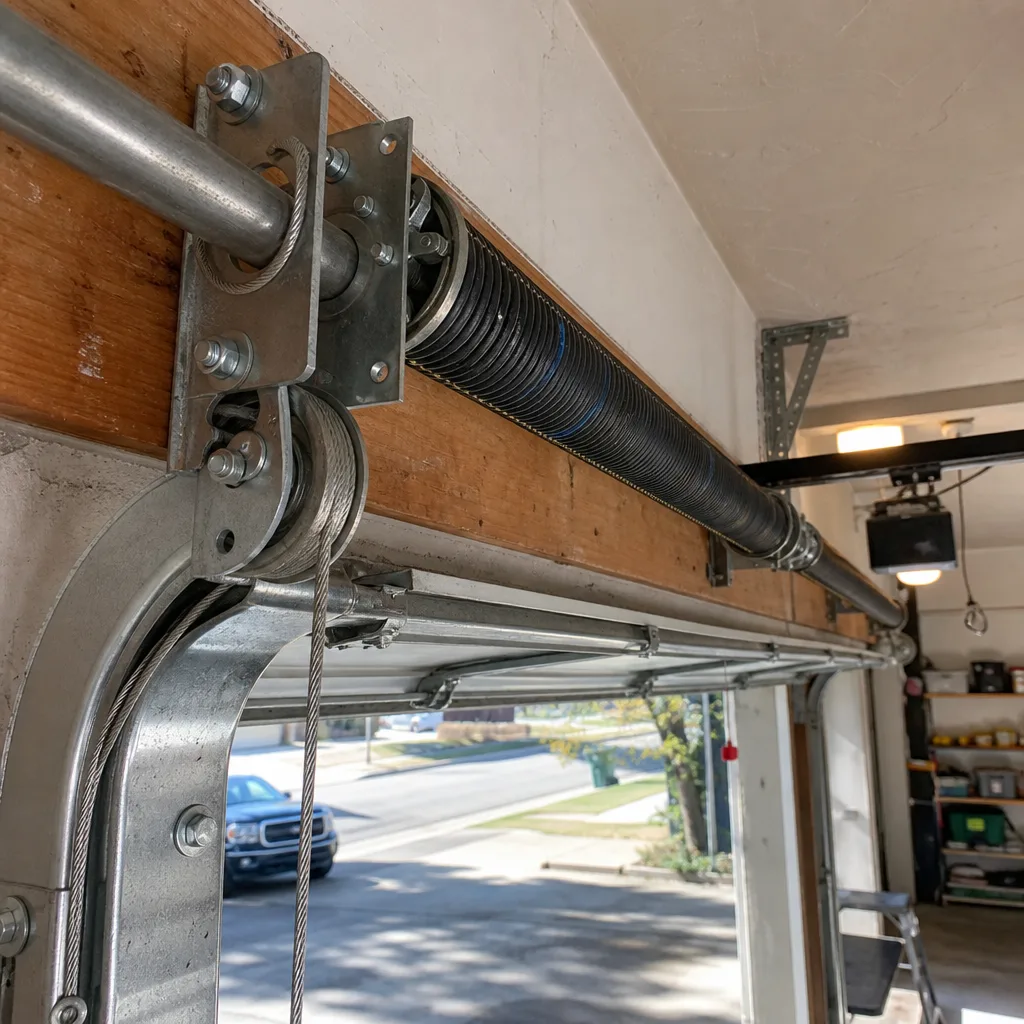 After
AfterGarage Door Permits, Codes & Inspections in TX: What You Need to Know
Most Texas homeowners assume swapping a garage door is like replacing a faucet: no paperwork, no city involvement, no problem. That assumption costs people real money at resale and occasionally at the inspection counter. In Flower Mound, a full garage door replacement on a home built after 2012 often triggers a permit requirement tied to wind-load standards that a surprising number of contractors quietly skip. This guide tells you exactly when a permit is required, when it isn’t, what a failed inspection actually costs, and how to verify your contractor did the paperwork before the truck shows up. For guidance on choosing a contractor who follows these steps, see our related resource.
Quick Answer
Most garage door repairs in Texas don’t require a permit: replacing springs, rollers, cables, openers, or sensors falls under routine maintenance. A full door replacement may require a permit, depending on your municipality’s adopted code. In Flower Mound, which amends the International Residential Code (IRC), a garage door replacement that changes the door’s dimensions, structural attachment, or wind-load rating typically needs a permit and a final inspection. Cost runs roughly $50 to $150 for the permit itself, with the inspection included. When in doubt, call your city’s building department before the work starts, not after.
Table of Contents
- When a Permit Is Required in Texas
- When a Permit Is Not Required
- Flower Mound’s Specific Code Amendments
- Texas Wind-Load Requirements for Garage Doors
- The Permit Application Process in Flower Mound
- What Happens If You Skip the Permit
- How to Verify Your Contractor Actually Pulled the Permit
- Common Mistakes to Avoid
- When to Call a Professional
- Frequently Asked Questions
- The Bottom Line
When a Permit Is Required in Texas
Texas is a home-rule state when it comes to building codes, which means there is no single statewide answer. Each city and county adopts its own version of the IRC and can amend it locally. Denton County municipalities, including Flower Mound, have adopted codes that address garage doors specifically because of wind exposure. A permit is generally required in Texas when the work involves any of the following:
- Full door replacement involving structural changes: If the new door has different dimensions, a different track system, or requires new framing at the opening, the city treats it as a structural alteration.
- New construction or new door openings: Cutting a new garage door opening or converting a carport to a garage always requires a permit and multiple inspections.
- Wind-load compliance: In areas with higher design wind speeds, including much of Denton County, a replacement door must meet the wind-load rating required by the adopted code. The permit is how the city verifies that.
- Work involving electrical changes: If you’re adding a new opener circuit or relocating wiring, an electrical permit may be required even if the door itself is a repair.
The threshold in Flower Mound’s adopted code comes down to whether the replacement changes the door’s structural performance. Like-for-like replacement of a sectional door with another sectional door of the same size, same track configuration, and same or better wind rating can often move forward as a repair. But changing from a wood door to a steel door, altering the opening size, or swapping a one-piece tilt-up for a sectional door triggers the permit requirement. We’ve seen homeowners in Flower Mound’s Canyon Falls and Wellington neighborhoods get caught on this exact distinction at closing, when a title company asks for the certificate of occupancy or final inspection sign-off.
When a Permit Is Not Required
The good news is that the vast majority of garage door service work falls squarely in the no-permit category. Routine maintenance and component replacement are treated as repairs under Texas administrative code and under Flower Mound’s local amendments. No permit is needed for:
- Spring replacement: Torsion or extension spring swaps are component-level repairs.
- Opener replacement or installation: A new opener on the same circuit does not require a building permit, though the work should meet manufacturer specs.
- Roller, hinge, cable, and track repair: Replacing worn parts on an existing door is maintenance.
- Sensor and safety-edge replacement: Photo-eye sensors and reversal systems are safety components, not structural elements.
- Panel section replacement: Swapping one or two damaged panels on an existing door, as long as the door’s structure and wind rating remain unchanged, is typically a repair.
Here’s the nuance that trips people up: the parts may be the same, but the classification changes when the entire door assembly comes out. The city’s view is that a full replacement is a new installation, not a repair. If your contractor tells you a full replacement doesn’t need a permit in Flower Mound, ask them to put that in writing. If they’re wrong, the correction is on you, not them.
Flower Mound’s Specific Code Amendments
Flower Mound has adopted the 2021 International Residential Code with local amendments, and the town is particular about garage doors for reasons that trace back to the 2012 building code update. Homes permitted after the town adopted the 2012 IRC with wind provisions are held to a stricter standard at replacement time. The town’s building services division requires that any replacement garage door meet the wind-load requirements for the home’s design wind speed zone, which for Flower Mound is typically in the 90 to 100 mph range depending on exact location within town.
What this means in practice: if your home was built after 2012 and you need a full door replacement, the permit application will ask for the door’s design pressure rating. Doors that carry a Texas Department of Insurance windstorm certification or a product approval number from a recognized evaluation service make this step straightforward. A contractor who knows Flower Mound’s process will have that documentation ready. One who doesn’t will file the application, get a correction notice, and burn two weeks sorting out paperwork while your garage sits empty.
Flower Mound is not alone in this. Lewisville, Highland Village, and Argyle all have adopted codes with similar wind provisions. But each municipality runs its permit process slightly differently, and the amendments are not identical. The lesson from two decades of working in this town: never assume the neighboring city’s rules apply to Flower Mound, and vice versa.
Texas Wind-Load Requirements for Garage Doors
Texas garage doors are subjected to wind loads that homeowners in other parts of the country never think about. A double-wide garage door presents roughly 120 square feet of flat surface to a storm front. In a 90 mph wind, that’s thousands of pounds of lateral pressure on the door, the tracks, and the attachment points. The state’s building standards, and Flower Mound’s local amendments, exist because a garage door that fails under wind load does more than let rain in: it pressurizes the garage, which can blow out the roof structure above it.
The design wind speed for residential garage doors in Flower Mound is determined by the home’s location within the town and the door’s exposure category. Most homes fall into Exposure B or C, which translates to a design pressure rating on the door label somewhere in the range of 15 to 25 pounds per square foot. That’s not a number the homeowner needs to calculate; it’s a number the door manufacturer certifies, and the inspector verifies against the approved plans. Brands like Clopay, Amarr, and Wayne Dalton all publish wind-load ratings for their door models, and the permit application in Flower Mound asks the contractor to specify the door model and its rating.
One detail we always check: a door with a decorative glass section, a pass door, or a custom carriage-house overlay may carry a lower wind rating than a plain steel door of the same size. If the home’s permit requires a specific design pressure and the pretty door doesn’t meet it, the inspector will flag it. That’s a conversation better had before the door is ordered, not after it’s installed. For more on selecting the right door, see our guide on Garage Door Installation in Flower Mound.
The Permit Application Process in Flower Mound
Flower Mound has streamlined its residential permit process in recent years, and a straightforward garage door replacement permit is one of the easier applications to file. Here’s what the process looks like step by step.
- Confirm the permit requirement. Call the Flower Mound Building Services Division or check the town’s website. Describe the work honestly: full replacement or component repair? Same size or different? What year was the home built?
- Prepare the documentation. For a full replacement, you’ll need the door manufacturer, model number, wind-load rating or design pressure certification, and the contractor’s name and license number. If the contractor is handling the application, they’ll ask you for nothing; they should already have this information from the order.
- Submit the application. Flower Mound accepts residential permit applications online through its portal. The fee for a garage door permit is typically in the $50 to $150 range depending on the scope. Payment is due at submission.
- Wait for plan review. Most garage door permits in Flower Mound clear plan review within 3 to 5 business days. Simple like-for-like replacements can sometimes clear faster.
- Complete the work. The installation happens after the permit is issued, not before. Any reputable contractor will wait for the issued permit number before starting.
- Schedule the final inspection. The contractor or homeowner calls for the inspection once the door is installed. The inspector checks the door’s operation, the safety reverse system, the attachment hardware, and the visible labeling that confirms the wind-load rating.
- Receive the sign-off. The final inspection result is recorded with the town. Keep the sign-off document with your property records; you’ll want it at resale.
The entire process, from application to final sign-off, typically runs one to two weeks for a straightforward replacement. The actual on-site inspection takes about twenty minutes. The delay is built into plan review and scheduling, which is why an organized contractor matters. If you need a repair rather than a replacement, skip this whole section. See our Garage Door Repair in Flower Mound page for what that process looks like.
What Happens If You Skip the Permit
This is the section where we tell you the truth about the risks, because the risks are real and they land on the homeowner, not the contractor who skipped the paperwork.
The resale problem
When a Flower Mound home sells, the contract requires the seller to disclose work that was done without required permits. If the buyer’s inspector spots a door that looks newer than the house and the seller can’t produce a permit, the deal can stall. In a market this competitive, buyers are not necessarily walking away, but they’re asking for concessions. We’ve seen sellers credit buyers $1,500 to $3,000 at closing to resolve unpermitted garage door work. The permit would have cost between $50 and $150.
The inspection problem
If the town discovers unpermitted work, the homeowner receives a notice of violation. The path to correction is: file the permit after the fact, pay the permit fee plus a penalty (often double the original fee), schedule the inspection, and correct any issues the inspector finds. If the door doesn’t meet wind-load requirements, correction may mean replacing the door entirely. A door installed without a permit was also installed without an inspection, which means nobody verified the safety reverse, the track attachment, or the opener wiring.
The insurance problem
Homeowners insurance policies generally exclude damage caused by unpermitted work. If the garage door fails structurally in a storm and the insurer determines the installation was never inspected, a claim can be denied. That’s a low-probability, high-cost outcome, and the probability goes up in a wind event, which is exactly when you need the insurance.
How to Verify Your Contractor Actually Pulled the Permit
A contractor who says “don’t worry about it” is not your friend on this one. Here’s how to confirm the permit exists before the saw starts.
- Ask for the permit number before the work begins. A legitimate contractor will have the issued permit number from the town and can show it to you on their phone or on the application receipt. No number, no work.
- Check the Flower Mound building portal yourself. The town’s online permitting system lets you search permits by address. Takes two minutes.
- Match the permit scope to the actual work. A permit issued for “garage door repair” does not cover a full replacement. Read the description.
- Confirm the final inspection was completed, not just scheduled. Scheduled means the contractor asked for the inspection. Completed means the inspector passed the work. These are different statuses in the portal, and the difference matters at closing.
- Get the documentation in your records before paying the final invoice. Hold the last payment until the final inspection sign-off is in your hand. Contractors who plan to skip the final inspection will suddenly become very motivated when the final check depends on it.
We’ve worked this process from the contractor side for years, and it’s straightforward for anyone who follows the rules. The permit is part of the job, not an optional add-on. If a contractor treats it as optional, they’re telling you something about how they handle the rest of the work.
Common Mistakes to Avoid
- Assuming “repair” and “replacement” are the same classification. They aren’t. Repairing a spring is maintenance. Swapping the entire door assembly is a new installation in the eyes of Flower Mound’s building code.
- Basing decisions on what a friend in another Texas city was told. Texas code adoption is local. What’s true in Houston or San Antonio has no bearing on Flower Mound, and the wind-load amendments make the difference larger, not smaller.
- Ordering a door before checking the wind-load requirement. That decorative glass-panel door with the iron hinges may look great in the brochure and fail the design pressure rating for your home. Check the numbers first.
- Trusting a contractor’s verbal “don’t worry about it” on permits. Verbal assurances are worth the paper they’re printed on. Get the permit number, verify it, and hold final payment until the inspection clears.
- Skipping the final inspection on a door that was permitted. A permit without a final inspection is incomplete work in the town’s records. The resale problem doesn’t go away just because the application was filed.
- Choosing the lowest bid without checking permit history. Unpermitted work is cheaper because the contractor skipped a step. You’re not saving money; you’re buying deferred risk.
- Replacing a door on a pre-2012 home without checking current code anyway. Flower Mound’s code applies at the time of replacement, not the time the home was built. An older home may need a current-code door even if the original was grandfathered.
When to Call a Professional
Any work involving garage door springs, cables, or torsion assemblies is genuinely dangerous. A door is 200 pounds riding on two springs, and we respect that every time we open a panel. Spring and cable work should always go to a trained professional. On the permit and code side, the line is simple: if the work requires a permit, it requires someone who understands the code. That’s not a judgment on anyone’s DIY ability; it’s a statement about liability, wind ratings, and the fact that a failed inspection costs more than a contractor’s fee. Otto’s Garage Door offers free estimates in Flower Mound and the surrounding county. Call (817) 631-5388 and a live person answers, quote on the call, price holds at the door.
Frequently Asked Questions
Yes, if the replacement changes the door’s size, structural attachment, wind-load rating, or involves new framing. A full replacement on a post-2012 home typically triggers a permit. A component repair, like springs or rollers, does not. Call (817) 631-5388 and we’ll tell you which category your job falls into.
A residential garage door permit in Flower Mound typically costs between $50 and $150, depending on the scope and the town’s current fee schedule. Compare that to the $1,500 to $3,000 in concessions sellers sometimes pay at closing to resolve unpermitted work, and the permit looks like the cheapest insurance you’ll ever buy.
Most residential garage doors in Flower Mound need a design pressure rating in the 15 to 25 pounds per square foot range, based on the home’s location and exposure category. The exact number comes from the adopted code, and the permit application asks the contractor to specify the door model and its rating. Brands like Amarr and Clopay publish these ratings for every door they sell.
Yes, but it costs more. You’ll pay the permit fee plus a penalty that’s typically double the original, and the town will require an inspection that may uncover code violations. If the door doesn’t meet wind-load requirements, correction may mean replacing the door. The time to pull the permit is before the work starts.
You’ll likely need to disclose the unpermitted work in the seller’s disclosure, which gives the buyer leverage. Common outcomes include a closing credit, a post-sale permit and inspection at your expense, or a deal that stalls entirely. The final inspection sign-off is the document that makes this problem disappear.
No, a garage door opener replacement on an existing circuit does not require a building permit. The work should meet manufacturer specs and the opener’s safety reverse should be tested after installation. Swapping an opener is a repair, and it’s part of what we cover on our Garage Door Opener in Flower Mound page.
The Bottom Line
Garage door permits in Texas are local, and in Flower Mound they’re tied to wind-load standards that protect your home in a storm and protect your equity at the closing table. The permit costs $50 to $150. The alternative costs thousands and follows you to resale. Whether you need a spring replaced, an opener serviced, or a full door replacement, the process works when someone who knows the town handles it. We’ve been in Flower Mound since 2004, and the name on the van is the name on the invoice and the license. Call (817) 631-5388 for a free estimate, and you’ll get a straight answer on whether your job needs a permit before we do anything else. Visit Otto’s Garage Door home to see what we’re about, and if you’re in the middle of a repair decision, start with our Garage Door Repair in Flower Mound page.
Written by Otto Reinhardt, Owner at Otto’s Garage Door, serving Flower Mound since 2004.